
The Importance of Power Washing Exterior Surfaces in Providence, RI
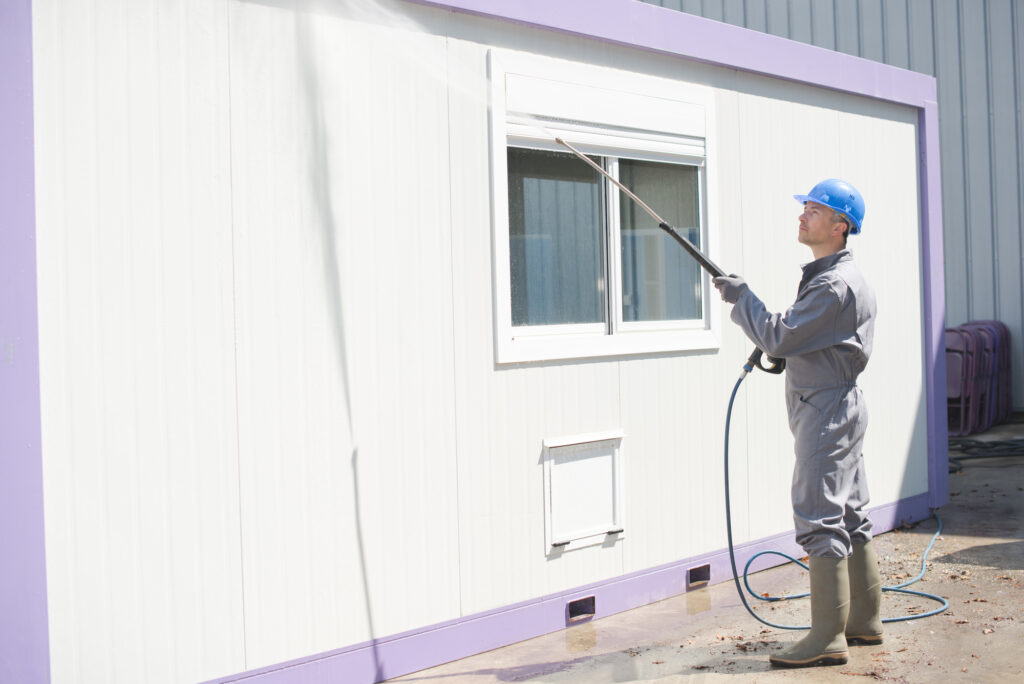
There’s a moment every spring in Providence when the city sort of exhales. The snow finally disappears, sidewalks dry out, and people start noticing their homes again instead of just hustling inside to escape the cold. That’s usually when someone pauses on the front steps and thinks, “I swear this house didn’t look this dingy last fall.”
Coastal New England has a way of doing that. Salt air drifts inland. Moisture hangs around longer than you’d expect. Add in older homes, narrow streets, and a mix of brick, wood, and siding, and exterior surfaces collect buildup quietly over time.
That’s why power washing matters so much here. Not as a cosmetic trick, but as a practical reset that helps homes handle painting, maintenance, and everything Rhode Island weather throws at them next.
Why Providence Homes Get Grimy Faster Than People Realize
Living near the coast comes with perks. Clean air, breezes, character. It also comes with salt residue, humidity, and moisture that settles into siding seams and trim edges.
I’ve noticed a lot of homeowners assume dark streaks or dull patches mean paint is failing. Sometimes it is. But often it’s mildew, algae, and grime that have been slowly building up since last year.
Power washing helps clear away:
- Salt residue carried inland from coastal air
- Mildew and algae fed by humidity
- Dirt and pollution from city traffic
- Pollen that coats everything in spring
- Loose paint that’s already starting to lift
Once that layer is gone, surfaces don’t just look better. They behave better when it’s time to paint or make repairs.
Why Power Washing Comes First Before Exterior Painting
This question comes up all the time.
“Do we really need to wash it first?”
In Providence, the answer is usually yes.
Paint needs a clean surface to bond properly. When residue from salt, dirt, or mildew is left behind, adhesion suffers. Sometimes the paint fails quickly. Other times it hangs on just long enough to feel misleading.
Skipping proper washing often leads to:
- Peeling along trim and edges
- Bubbling caused by trapped moisture
- Uneven color or sheen
- Shorter paint lifespan
Exterior painters in Providence RI almost always treat power washing as part of the prep process, not an optional step. It’s one of those things that quietly determines how long a paint job really lasts.
Seasonal Timing Matters in Coastal Rhode Island
Spring is the most popular time for power washing around Providence. Winter leaves behind salt residue, grime, and months of moisture buildup that become obvious once everything thaws.
Late spring and early summer tend to work well because:
- Temperatures are mild
- Surfaces dry at a steady pace
- Humidity is manageable
- Painting schedules naturally follow
Summer washing works too, though humidity can slow drying if timing isn’t right. Fall is another solid option if you want to prep surfaces before winter returns. Winter washing, though, is usually off the table unless conditions are unusually mild.
Different Surfaces Need Different Treatment
Providence homes often have a mix of materials, especially in older neighborhoods. Each one reacts differently to pressure.
Wood siding and trim
Common on historic homes. These areas need lower pressure to avoid gouging or lifting healthy wood fibers.
Vinyl siding
Handles moderate pressure well, but spraying at the wrong angle can force water behind panels.
Brick and masonry
Can handle more pressure, but older mortar joints need extra care to avoid damage.
Decks and porches
Too much pressure can leave lines or rough spots that show through paint or stain later.
Roofs
Should never be pressure washed. Soft-wash systems are used instead to protect shingles and prevent leaks.
Experience matters here. Knowing when to ease off is just as important as knowing how to clean thoroughly.
Why Equipment Choice Isn’t as Simple as It Looks
Renting a pressure washer sounds straightforward. And sometimes it works out fine. Other times, it leads to stripped paint or damaged siding.
Lower-powered electric units handle light cleaning. Gas-powered machines bring much more force, which can be helpful or destructive depending on how they’re used. The strongest machines can cause damage quickly if handled without care.
Professional painting contractors focus on control, not raw power.
Common Power Washing Mistakes Homeowners Run Into
These show up again and again:
- Standing too close and carving lines into siding or wood
- Spraying upward and pushing water behind panels
- Skipping detergents that break down mildew
- Not rinsing thoroughly
- Painting before surfaces are fully dry
Most of these mistakes don’t look serious right away. The problems usually appear later, when paint starts peeling or discoloration shows through.
How Power Washing Helps Protect Your Budget
Exterior paint already works hard in coastal Rhode Island. Moisture, salt air, and temperature swings all take a toll. When surfaces are properly washed, paint has a much better chance of lasting closer to its expected lifespan.
Skipping washing often shortens that lifespan, which leads to earlier repainting and higher costs over time. Power washing is one of those prep steps that quietly saves money without drawing much attention to itself.
A Helpful Rhode Island Resource for Homeowners
For general home maintenance and safety guidance in Rhode Island, this state resource is worth bookmarking:
https://www.ri.gov
It’s a useful reference if you’re planning exterior projects this season.
One Last Thought Before You Start Washing
Power washing looks simple, but it involves high pressure, slippery surfaces, ladders, and the risk of forcing water where it shouldn’t go. That’s why many homeowners choose to have professionals handle washing as part of a broader exterior prep plan.
If you’re thinking about painting this year or just want your home to feel a little fresher after winter, having a conversation with a local team like Good Deeds Painting can help you plan the right prep steps before things get busy. Sometimes a quick conversation now saves a lot of frustration later.