
How Do You Know When It’s Time to Repaint the Interior of Your Home?
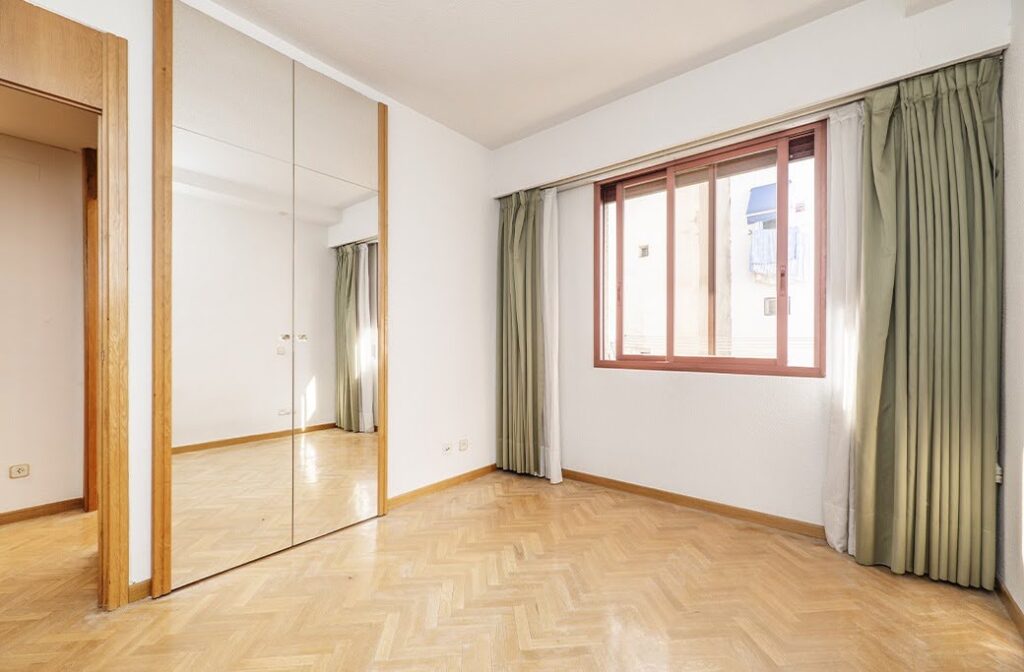
There is no single calendar rule for repainting every room in a home. The better question is whether the paint still looks good, performs well, and fits how you use the space. Scuffs that no longer clean up, fading, stains, cracking or peeling, repeated patchwork, and a color that no longer works for the room can all be signs that repainting makes more sense than another touch-up.
For Rhode Island homeowners, an interior repaint can be as simple as refreshing one high-use room or as extensive as updating walls, ceilings, trim, and multiple rooms at once. Knowing what to look for helps you decide whether you need a small repair, a targeted repaint, or a larger interior painting project.
What Are the Signs It’s Time to Repaint Interior Walls?
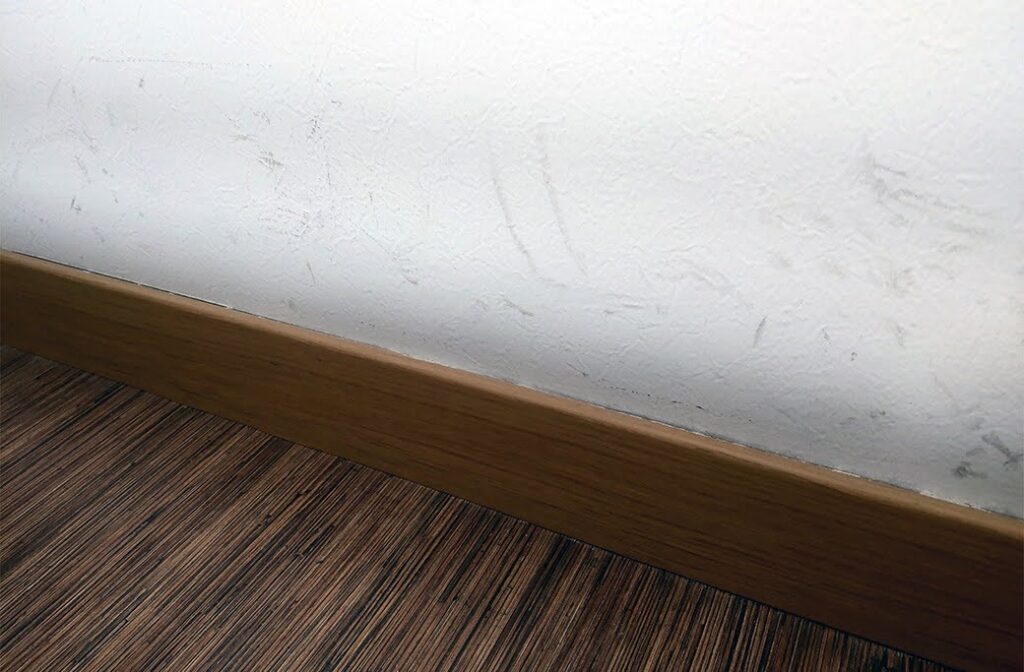
Your walls usually give you clues before they need a complete refresh. Some are cosmetic. Others suggest the surface needs closer attention before new paint is applied.
Scuffs, Marks, and Stains No Longer Clean Up
Busy areas naturally take more abuse. Hallways, kitchens, family rooms, stairways, entryways, and children’s rooms can collect fingerprints, furniture marks, food splashes, and everyday scuffs.
If normal cleaning no longer improves the wall, or cleaning leaves the finish looking uneven, repainting may give the room a more consistent appearance than repeated spot cleaning or touch-ups.
Color Has Faded or Looks Uneven
Natural light can make some painted surfaces look different over time. You may notice that one wall looks lighter than another, or that areas previously covered by furniture or artwork no longer match the exposed wall.
A full-wall repaint generally creates a more uniform result than trying to blend fresh paint into a visibly changed finish.
Touch-Ups Are Becoming More Noticeable
Touch-up paint can be useful for a small isolated mark when you have the correct paint and the surrounding finish is still in good condition. But touch-ups are not always invisible.
Differences in sheen, application method, paint age, lighting, or the condition of the wall can make patched areas stand out. If you are touching up several spots in the same room, repainting the entire wall, or the room, may create a cleaner, more consistent finish.
Paint Is Peeling, Cracking, or Bubbling
Peeling, cracking, or bubbling deserves more attention than a simple color refresh. New paint should not be used to hide a problem that has not been identified.
Surface damage can have different causes, so the right next step depends on what is happening underneath the finish. A professional evaluation can help determine what preparation is needed before repainting.
Repairs Have Left the Walls Looking Patchy
Moving furniture, hanging televisions, changing shelves, repairing drywall, or filling nail holes can leave behind patched areas. Even when the repair itself is smooth, the repaired section may remain visible because its texture or finish differs from the surrounding wall.
When there are several repairs in one space, repainting the full wall or room can help create a more unified result.
Color No Longer Works for the Room
Paint does not have to be damaged before you change it. Sometimes the room simply no longer feels right.
A new furniture layout, different flooring, updated lighting, a home office conversion, or a change in personal style can all make an existing color feel out of place. Good Deeds Painting’s interior painting service also emphasizes that homeowners do not need to wait for paint to chip or fade before choosing a new color.
Should You Touch Up the Paint or Repaint the Whole Wall?
A touch-up is most practical when the damaged area is small, the surrounding paint is still in good condition, and you have a close match for both the color and finish.
Repainting a full wall is often the better option when marks are widespread, the old finish has changed, there are multiple patches, or previous touch-ups are already visible. Repainting an entire room may make sense when several walls show wear or when you want a noticeable color change.
The goal is not to repaint more than necessary. It is to choose the smallest scope that will still produce a consistent result.
Which Rooms Tend to Show Wear First?
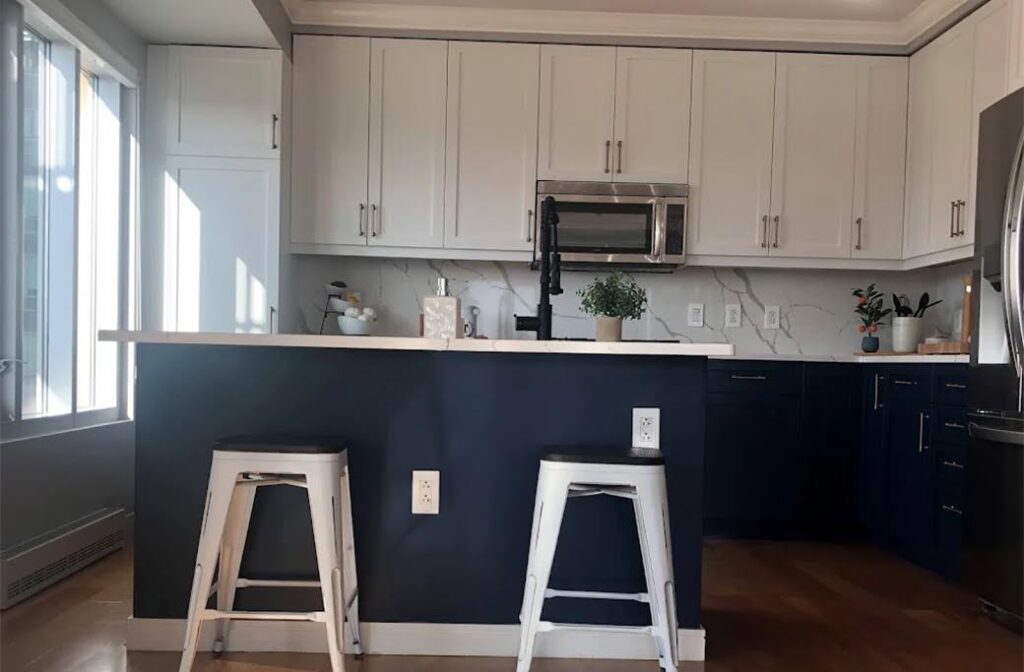
Rooms do not all age at the same rate, because they are used differently. High-traffic spaces and surfaces that are frequently touched often show wear sooner than quieter rooms.
Look closely at entryways, hallways, kitchens, family rooms, stairways, children’s rooms, and areas around doors and switches. Trim and doors can also look worn, even when the wall color still looks acceptable.
Instead of repainting the entire house on a fixed schedule, evaluate each space based on its actual condition.
Does Interior Paint Need to Be Replaced Just Because it is Old?
Not necessarily. Age alone does not tell you whether a room needs repainting.
If the paint is intact, cleanable, visually consistent, and you still like the color, there may be no reason to repaint simply because a certain number of years have passed. Condition and homeowner goals are more useful decision points than an arbitrary timetable.
On the other hand, a heavily used room may need attention sooner if its walls are stained, patched, damaged, or difficult to clean.
What Should Rhode Island Homeowners Know About Older Painted Surfaces?
Rhode Island has many older homes, so the age of the property matters when a painting project may disturb existing coatings.
The U.S. Environmental Protection Agency says homes built before 1978 are more likely to contain lead-based paint. Renovation, repair, and painting activities that disturb lead-based paint can create hazardous dust. If you are planning work that may disturb painted surfaces in a pre-1978 home, lead-safe requirements and appropriate testing or professional guidance may apply.
Good Deeds Painting provides lead paint testing and lead remediation services in addition to residential painting. If the age or condition of the existing paint raises a lead concern, address that question before sanding, scraping, or otherwise disturbing the surface.
How Can You Decide Whether It’s Time to Repaint?
Walk through the room in daylight, and again with the lights you normally use. Look at the walls from different angles, rather than only straight on.
Ask yourself:
- Can the marks be cleaned without damaging the finish?
- Are touch-ups blending in or becoming obvious?
- Are there cracks, peeling, bubbles, or other surface problems?
- Have repairs left multiple visible patches?
- Does the color still work with the room?
- Are the walls, trim, doors, and ceiling aging at different rates?
- Would repainting one wall solve the problem, or does the entire room need a consistent finish?
If several answers point toward repainting, it may be time to get a professional opinion about the condition of the surfaces and the appropriate project scope.
Plan Your Interior Repaint With Good Deeds Painting
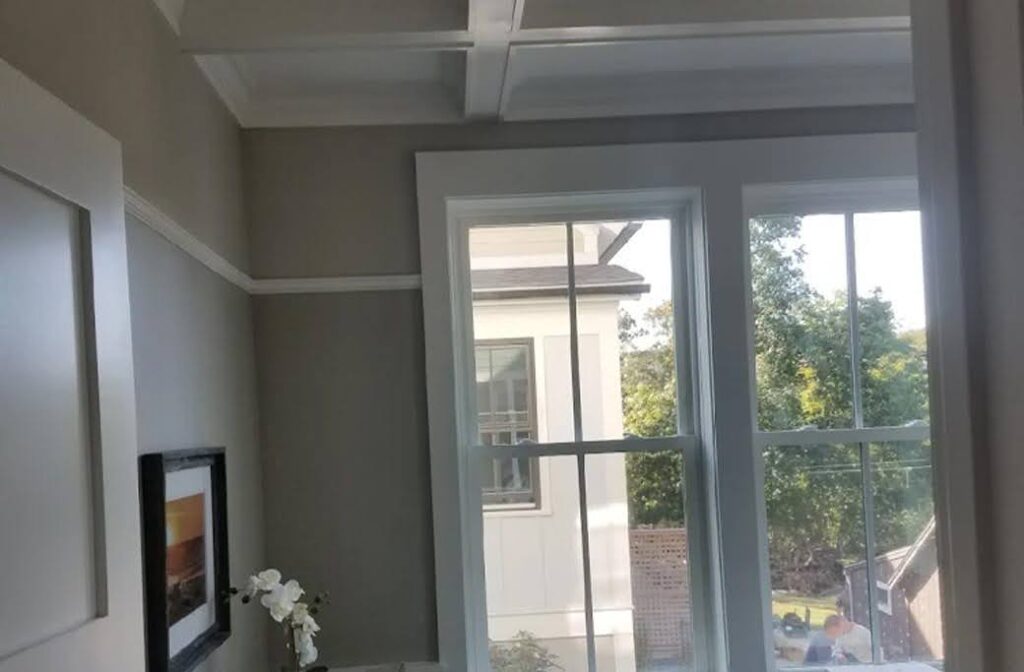
A successful interior repaint starts with deciding what actually needs attention. Some rooms need only a targeted refresh. Others benefit from repainting walls, trim, ceilings, or several connected spaces so the finished interior feels consistent.
Good Deeds Painting & Renovating Inc. provides residential interior painting in Rhode Island. If you are unsure whether your walls need touch-ups, a full repaint, or preparation before painting, the team can evaluate the project and provide a quote.
Frequently Asked Questions
There is no single repainting schedule that applies to every room. High-use spaces may show wear sooner, while lower-traffic rooms can remain in good condition longer. Look at cleanability, fading, visible repairs, surface condition, and whether you still like the color rather than relying only on the age of the paint.
Yes, when the affected area is small and the existing paint is still in good condition. If the paint has faded, the sheen no longer matches, or several areas need repair, a full-wall repaint can produce a more consistent appearance.
Peeling or cracking should be evaluated and properly prepared before new paint is applied. Simply covering damaged paint does not address the underlying surface condition.
It depends on the project. If you already know the room’s new finishes and color direction, coordinating the painting work with those changes can help the room feel cohesive. The best order of work depends on what is being replaced and how much preparation is required.
EPA says pre-1978 homes are more likely to contain lead-based paint, and disturbing lead-based paint during renovation, repair, or painting can create hazardous dust. Before sanding, scraping, or otherwise disturbing older painted surfaces, determine whether lead-safe requirements or testing apply to your project.