
Should You Paint Walls, Ceilings, and Trim at the Same Time?
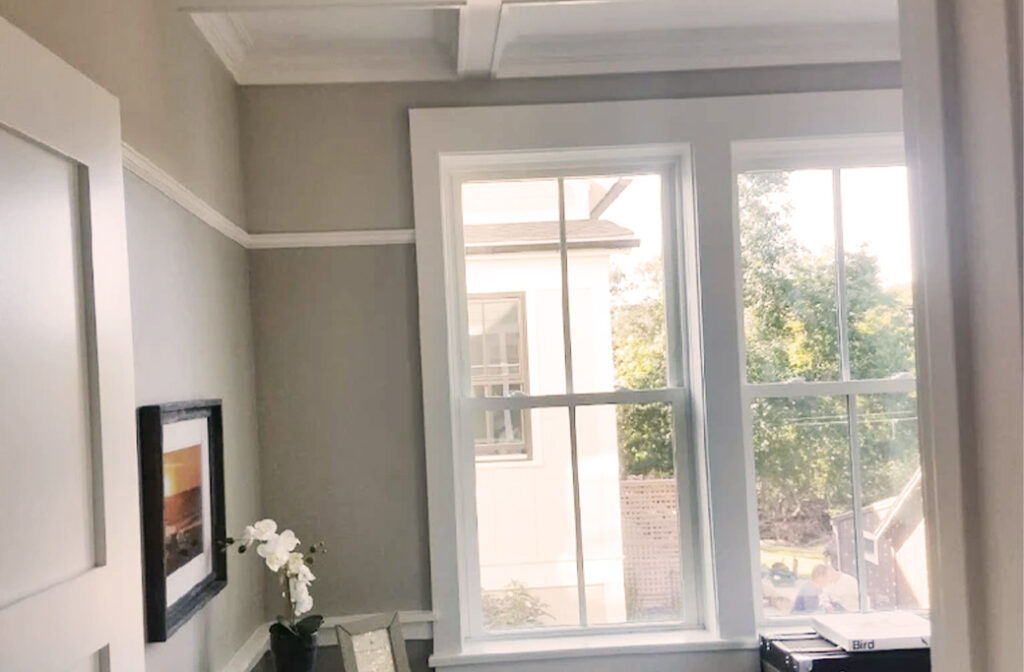
You do not have to paint walls, ceilings, and trim at the same time. We recommend considering a combined project when several surfaces need attention, a new wall color makes existing finishes look mismatched, or you want to avoid reopening the same room for another project. If the ceiling and trim still look good, painting the walls alone can be a sensible choice.
At Good Deeds Painting & Renovating Inc., our residential interior painting services cover projects from accent walls to broader room updates. For Rhode Island homeowners planning an indoor project this November, the useful question is how much work will deliver the finished room you want. Here is how we suggest comparing your options before requesting an estimate.
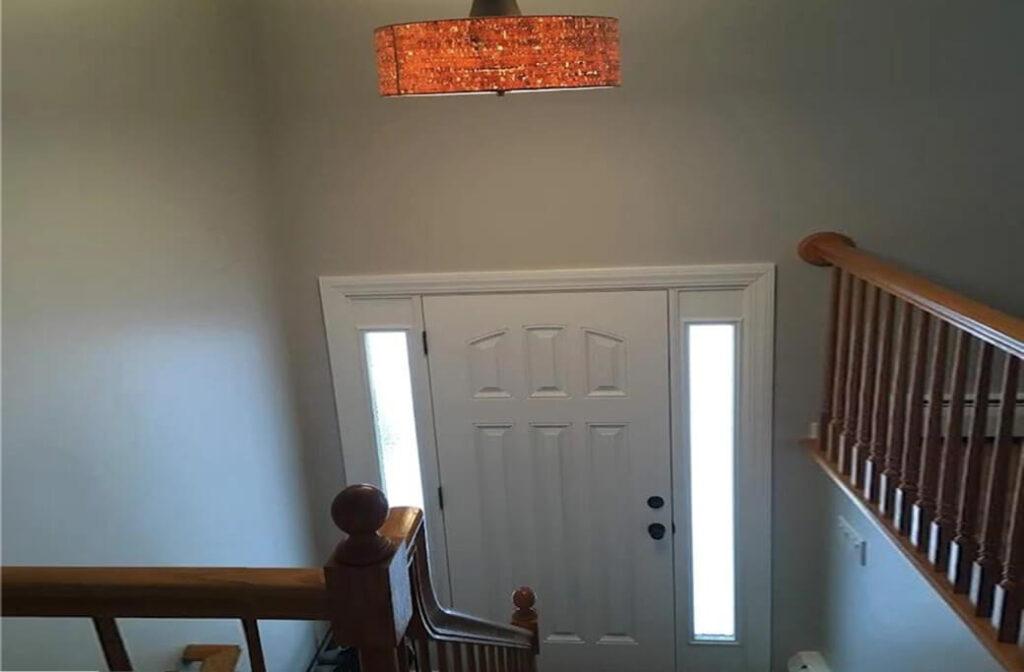
When Painting the Walls Alone Makes Sense
A wall-only repaint can work well when your ceiling is clean and uniform, your trim is intact, and you like the existing relationship between those finishes. A bedroom with sound white woodwork and a ceiling you are happy with may need only a new wall color to feel different.
We suggest looking at the surfaces together in daylight and under your usual lamps. Pay attention to the ceiling line, baseboards, door casings, and window trim. A finish that looks acceptable by itself may seem warmer, grayer, or more worn beside a different wall color. Test the proposed color beside the surfaces you intend to keep before deciding on the scope.
When a Combined Interior Repaint Is Worth Considering
You Want a Consistent Finish Across the Room
If walls need a color change and painted trim is chipped or uneven, treating them as one project can help the room feel finished. Include the ceiling when its appearance also needs attention. Repainting everything is less useful when it adds work to surfaces that already meet your goals.
For example, fresh walls beside an old door casing may make the casing’s wear easier to notice. We can discuss whether including that woodwork is worthwhile rather than assuming the entire room needs repainting. Our guide to when to repaint interior walls can help you evaluate overall condition before narrowing the scope.
You Would Otherwise Reopen the Same Work Area
A coordinated project may avoid repeating some access and protection arrangements later. That can matter in a furnished living room or a stairway your household uses throughout the day. It still involves more painting than walls alone, so a broader scope does not automatically mean a shorter project or lower total price.
A Color Change Affects Connected Finishes
Changing wall color can alter how existing white trim and ceiling paint appear. We help homeowners consider color relationships, including whether stained woodwork should remain unpainted. Painting stained trim changes its appearance substantially; include it only as a deliberate choice, not an assumed part of a wall repaint.
Compare Scope Before Comparing Estimates
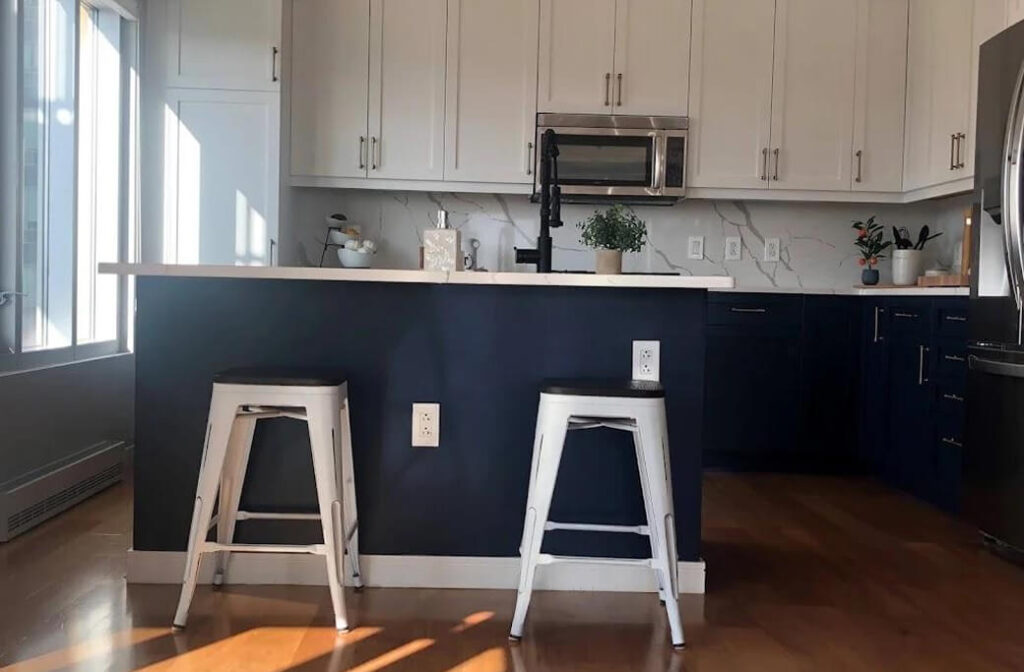
A quote for “painting the room” can mean different things. We provide a detailed written project proposal, and we encourage you to compare exactly which surfaces are included. A lower total may reflect fewer surfaces or different preparation requirements rather than a better price for equivalent work.
For a useful comparison, ask us to distinguish walls, ceilings, baseboards, door and window casings, doors, and any crown molding. Clarify whether closets, built-ins, or adjoining areas are included. Kitchen cabinetry needs its own discussion; the presence of cabinets in the room does not make them part of a wall-painting estimate.
Preparation also changes the scope. Painted trim with a sound finish presents a different job from woodwork with peeling layers or damaged edges. Tell us about repairs and finishes you want to retain. Ask which preparation and repairs are included, and which issues need resolution before painting.
How to Phase the Work When Your Budget Is Limited
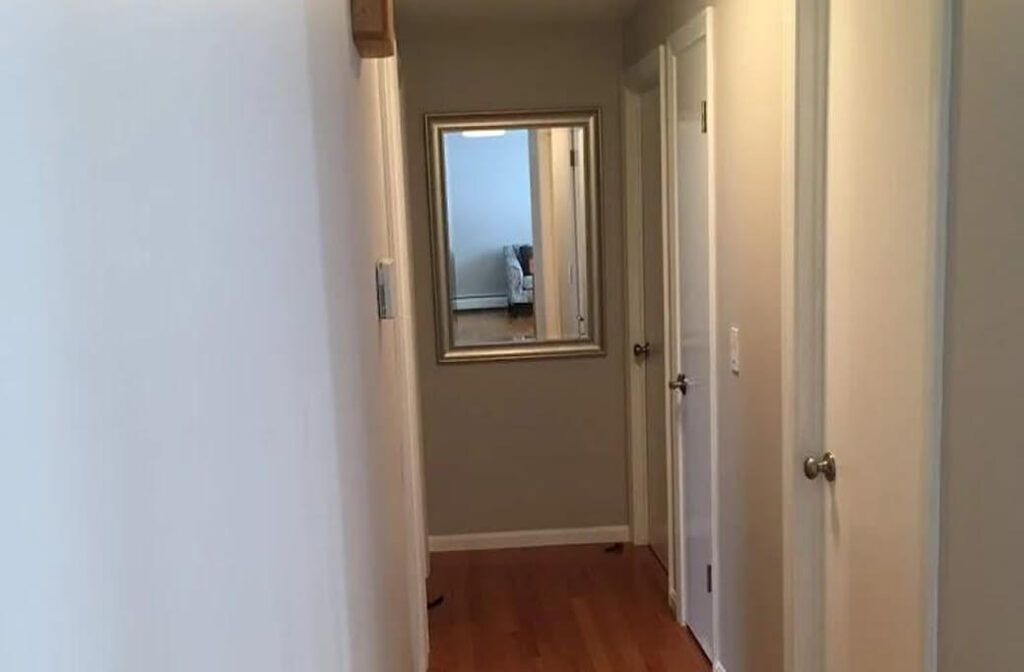
You can prioritize without leaving every decision until later. We suggest identifying the room that matters most, then deciding whether its walls alone will achieve your goal or whether selected trim or ceiling work is also needed. Finishing one room coherently may suit you better than spreading a limited budget across unrelated surfaces throughout the house.
For connected spaces, look for natural stopping points such as doorways or changes in room layout. In an open living and dining area, an uninterrupted wall or shared ceiling may make the boundary less obvious. Discuss those transitions with us so the proposal describes where work begins and ends.
Plan Around November Routines and Older Surfaces
If you are hosting guests or working from home, tell us which rooms need to remain available and when. We offer a no-obligation cost and completion-time estimate, so you can discuss the scope alongside your schedule. Leave room for preparation, drying, and product-specific guidance before returning furniture or decorating.
In cooler Rhode Island weather, discuss ventilation and indoor conditions with our painting team rather than assuming every window can stay open throughout the project. Follow the coating manufacturer’s directions and the guidance for the actual work being performed.
For a home built before 1978, tell us about its age and any prior lead testing before preparation begins. Disturbing lead-based paint can create hazardous dust. We offer lead paint testing services and can discuss the appropriate next step. Review the EPA’s lead renovation guidance for background; Rhode Island operates its own authorized program. Do not sand or scrape suspect coatings to prepare for our arrival.
Let Us Help You Choose the Right Interior Painting Scope
You do not need to decide every surface before contacting us. Bring your priorities, the rooms you want to improve, and the finishes you would like to keep. Our painting team can discuss your ideas and provide a clear estimate for your residential interior painting project in Providence or the Rhode Island communities we serve. Request a painting quote to start planning a scope that fits your home and goals.
Frequently Asked Questions
No. Walls, ceilings, and trim may need different products or finishes because the surfaces and their use differ. We consider the existing coating, surface condition, appearance you want, and suitability of the specified product. A coordinated project does not require one paint for every surface.
Yes, a trim-only scope may be appropriate when the walls still meet your goals. Tell us which baseboards, casings, doors, or other details you want included. We can discuss how the proposed finish will relate to the surrounding paint and what preparation those surfaces require.
No. Combining work may reduce repeated setup, but adding ceilings and trim increases the total work. Ask us to compare the scope you need now with a broader option. The useful comparison is total project value and disruption, not an assumed percentage discount.
Separate rooms can have different ceiling treatments. Shared ceilings and open sightlines deserve closer consideration because transitions are more visible. We suggest reviewing the connected spaces together before deciding whether a change should stop at one room or continue into another.